
Product photography used to mean planning.
Finding a model. Booking a studio. Adjusting lights. Shooting for hours. Then editing.
DREEM.AI flips that entire process into something that feels much closer to configuring a scene than producing one.
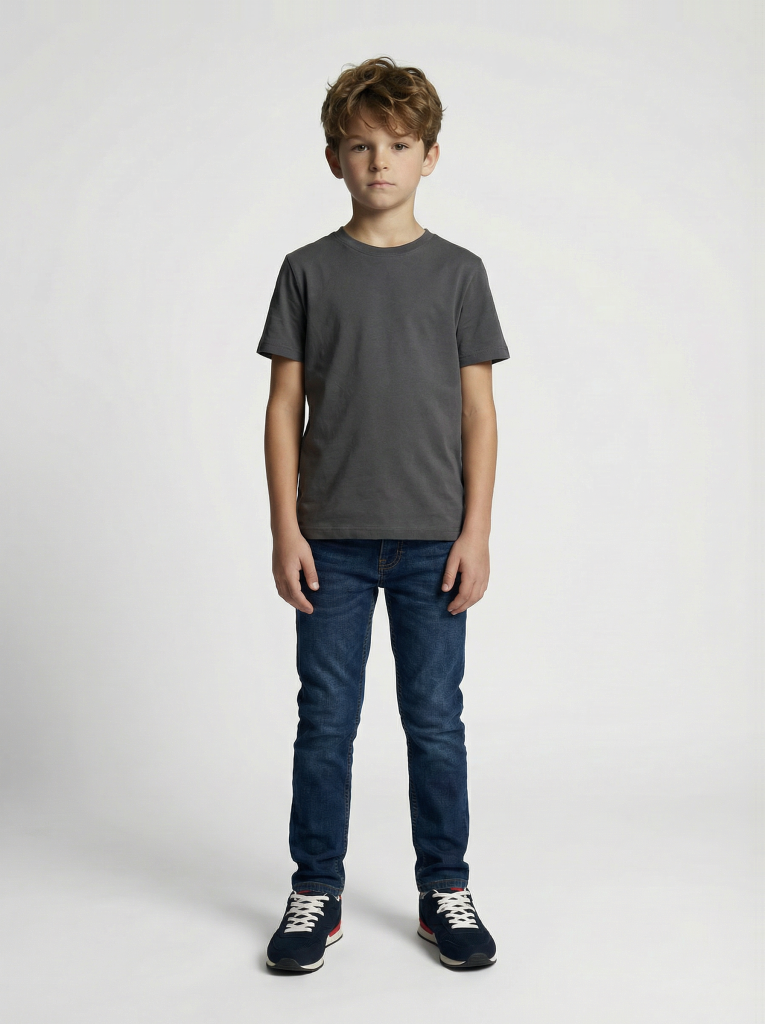
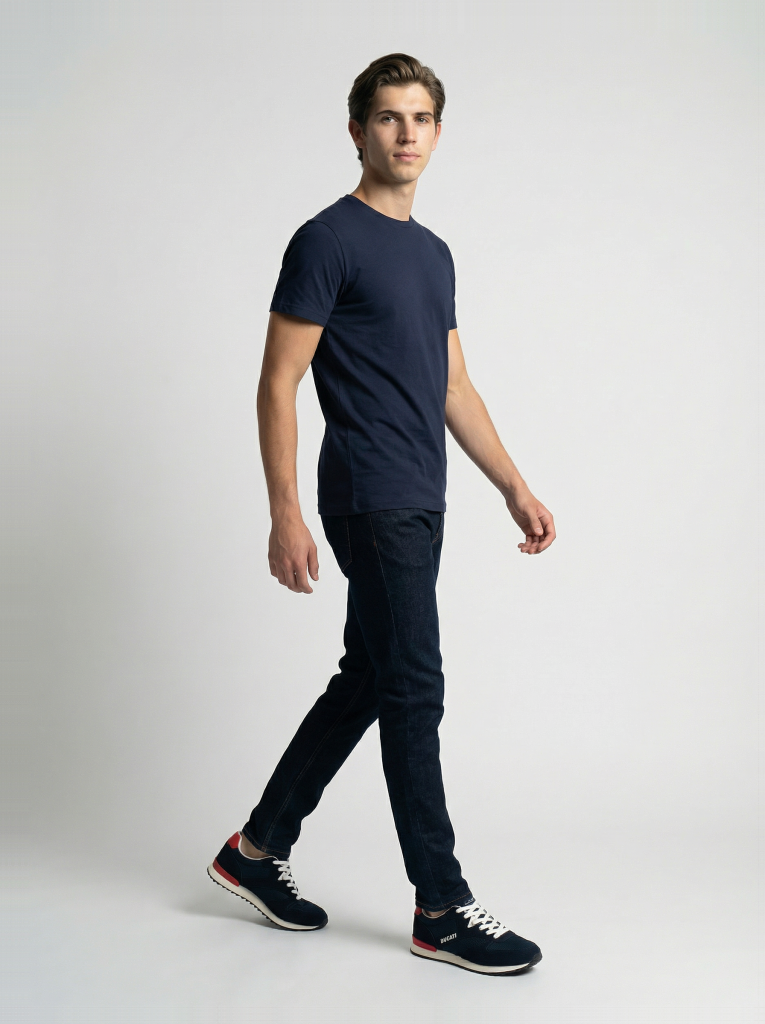
We tested it with a simple goal: take a static sneaker photo and place it on a virtual model — something that would normally require an actual shoot or at least heavy compositing.
What DREEM.AI Actually Does
DREEM isn’t just an image generator. It’s more like a production environment for synthetic product visuals.
Instead of prompting blindly, the workflow is structured. You don’t ask for an image — you build it step by step.
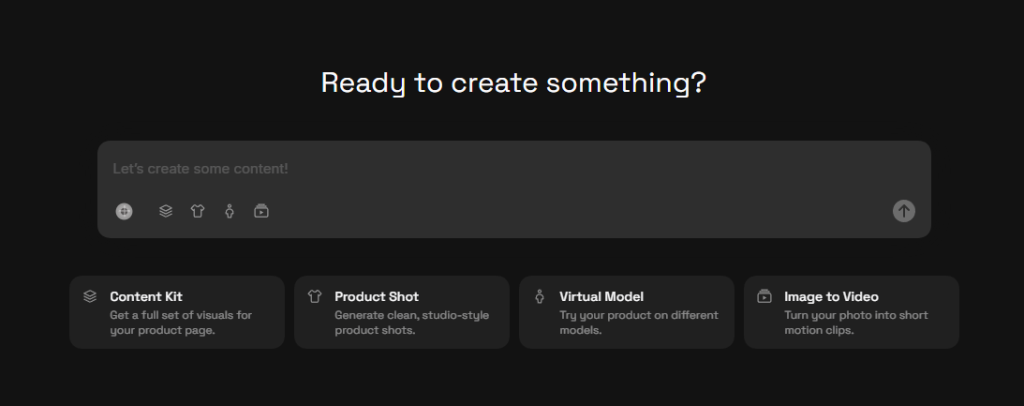
The platform offers several creation paths:
- Content Kit – generates a full visual set for product pages
- Product Shot – clean, studio-style imagery
- Virtual Model – place your product on AI-generated people
- Image to Video – animate stills into motion clips
That already signals what it’s designed for: e-commerce and marketing teams, not just experimentation.
Our test – How does it work?
Step 1: Upload the Product (In Our Case, Sneakers)
The process starts with uploading the item you want to visualize.
Instead of immediately generating something, DREEM asks for context — what kind of look you’re going for:
- casual studio
- streetwear
- evening aesthetic
This is closer to briefing a creative team than writing a prompt.
Step 2: Choose the Model
You don’t generate a random person.
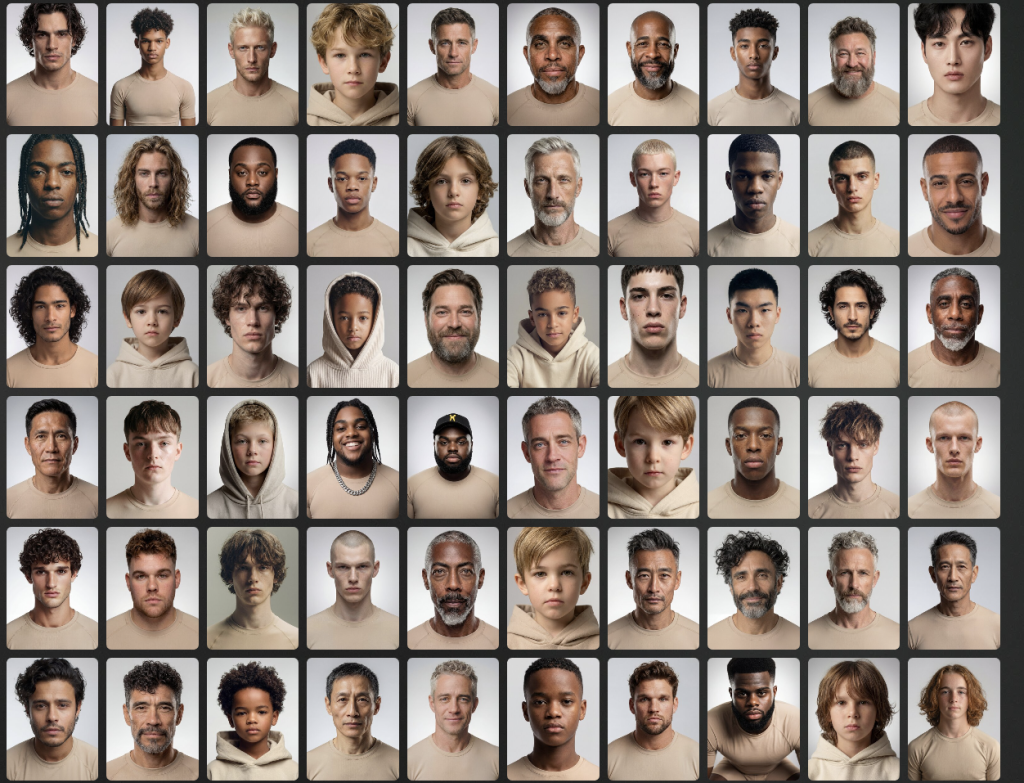
You select from a large library of pre-generated virtual models — effectively a digital casting call.
The variety is impressive:
different ages, ethnicities, facial structures, and styles — all photographed in the same neutral lighting to ensure consistency.
This makes it easy to align visuals with a brand’s target audience.
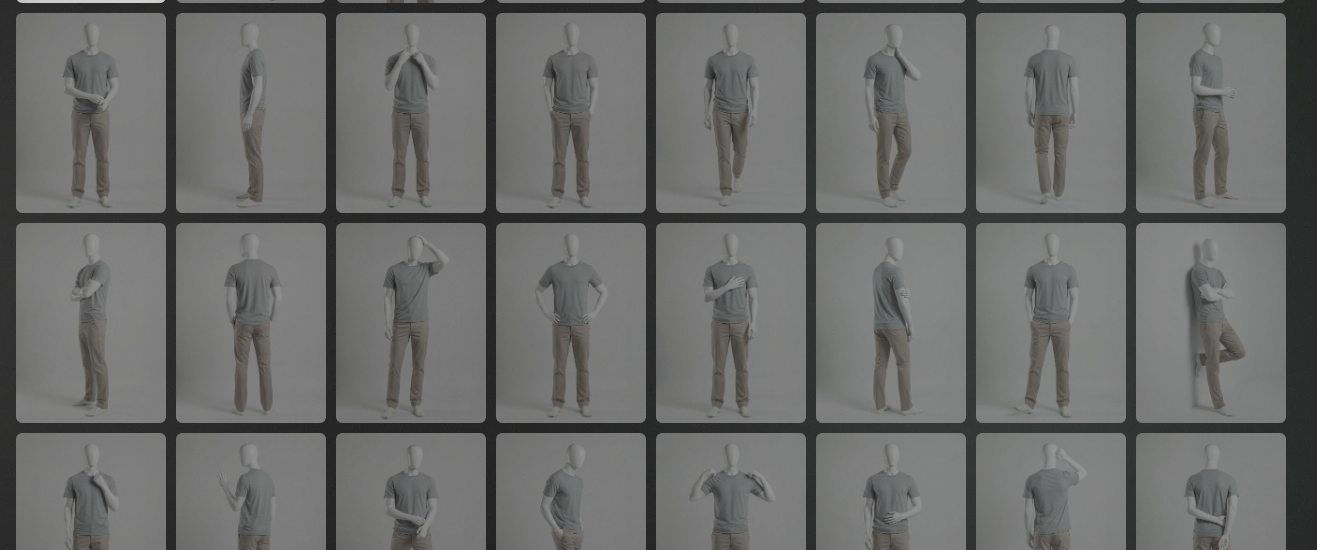
Step 3: Choose the Pose
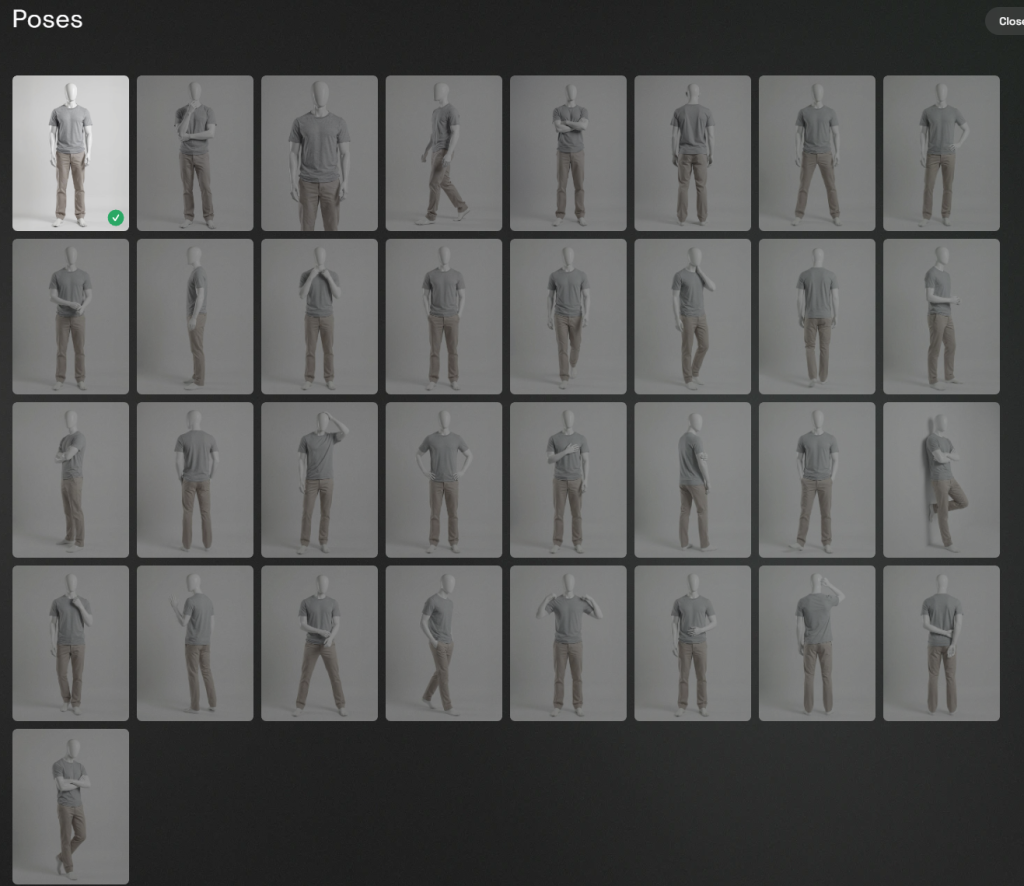
Next comes pose selection — another element that normally requires directing a model.
Instead of prompting “person standing casually”, you visually select:
- stance
- movement
- posture
- camera relationship
This removes a lot of the unpredictability common in prompt-based tools.
You’re not guessing. You’re composing.
Our results.
Two different poses, two different models. What are the results? See for yourself. We’re a bit impressed because they look just like the millions of images on web shops and the question arises: are they real or generated this way?
What Makes This Different From Typical Generative AI
Most image tools operate like this:
Write prompt → hope it understands → regenerate → adjust → repeat.
DREEM behaves differently:
Select → define → assemble → render.
It’s much closer to creative direction software than generative art tools.
This structured workflow dramatically reduces randomness — something marketers care about far more than artistic exploration.
Where This Is Actually Useful
DREEM.AI is clearly built for:
- Product launches needing fast visual variations
- E-commerce stores lacking budget for recurring shoots
- Social campaigns requiring diverse model representation
- Rapid A/B testing of visuals
- Small brands that need scale without production overhead
Instead of replacing photography entirely, it fills the gap between:
DIY mockups → full professional shoots.
The Real Value: Control Over Chaos
AI image tools are powerful but often unpredictable.
DREEM trades some of that freedom for control — and in commercial work, that’s often the better deal.
You’re not trying to create art.
You’re trying to ship visuals.
Final Verdict
DREEM.AI feels less like a generator and more like a synthetic studio pipeline.
By structuring the process — model → pose → context → render — it eliminates much of the trial-and-error typical of prompt-driven workflows.
For brands that need scalable visuals without organizing constant photoshoots, this approach makes real operational sense.
It won’t replace high-end fashion production, but it doesn’t try to.
Instead, it creates a fast, controlled middle ground — one where AI is less about imagination and more about execution.
LMAI Scale: 5 / 5
Practical, structured, and clearly designed for real-world marketing use rather than experimentation.